

Russia’s Kaliningrad exclave is usually viewed as a military threat to its neighbours. A three-day crisis simulation organised by the Baltic International Security Centre (BISC) and ISM University of Management and Economics examined a different problem: how unrest, military rebellion or an environmental disaster inside the region could leave Moscow needing their help.
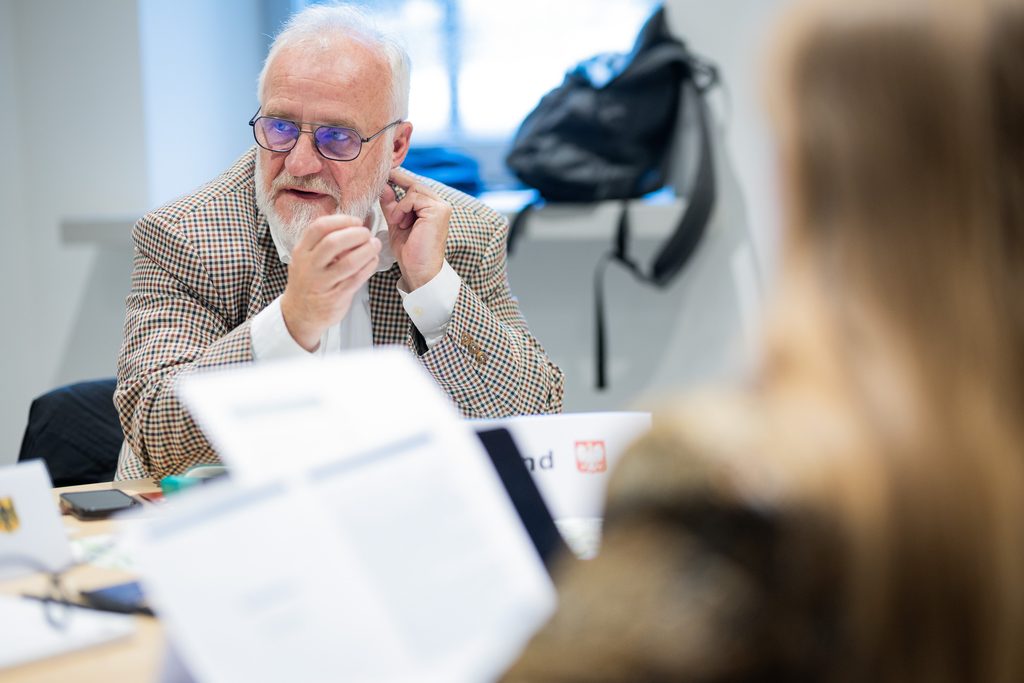
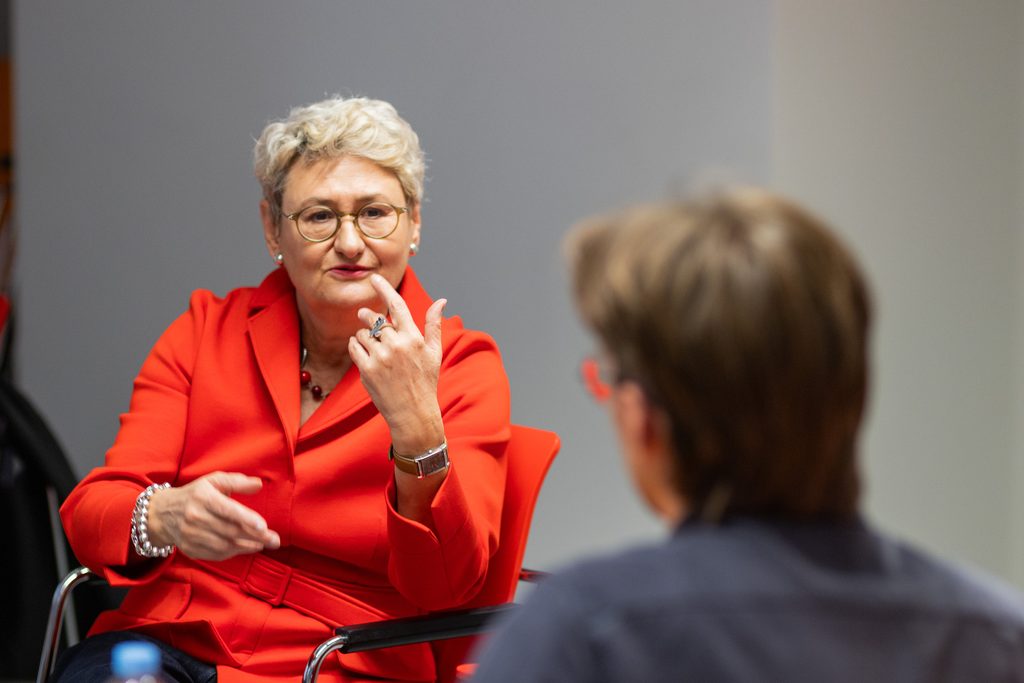
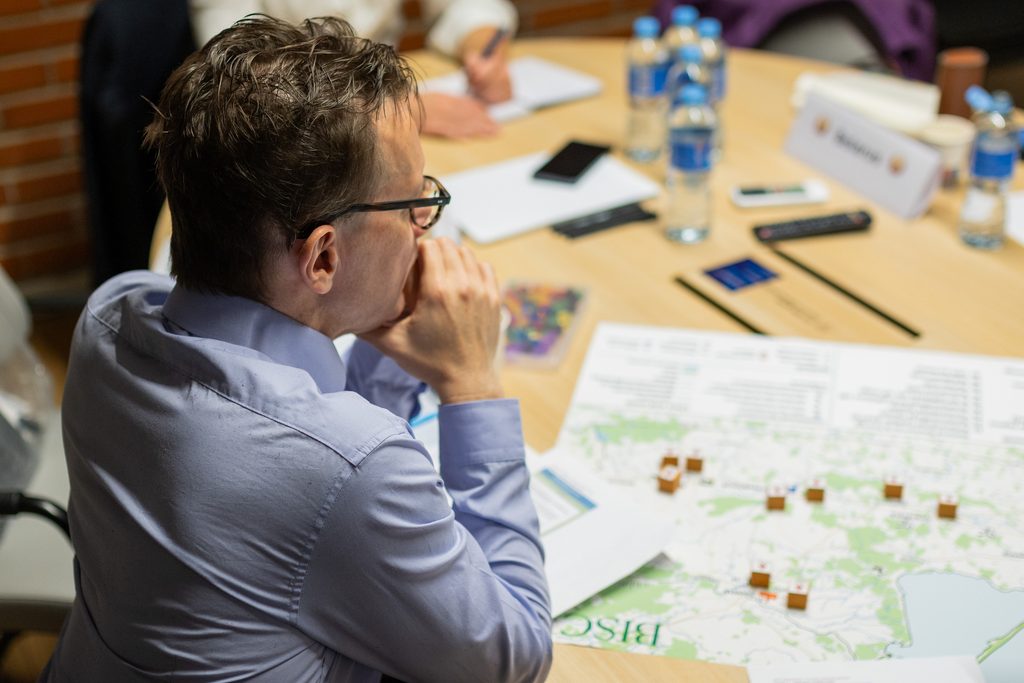
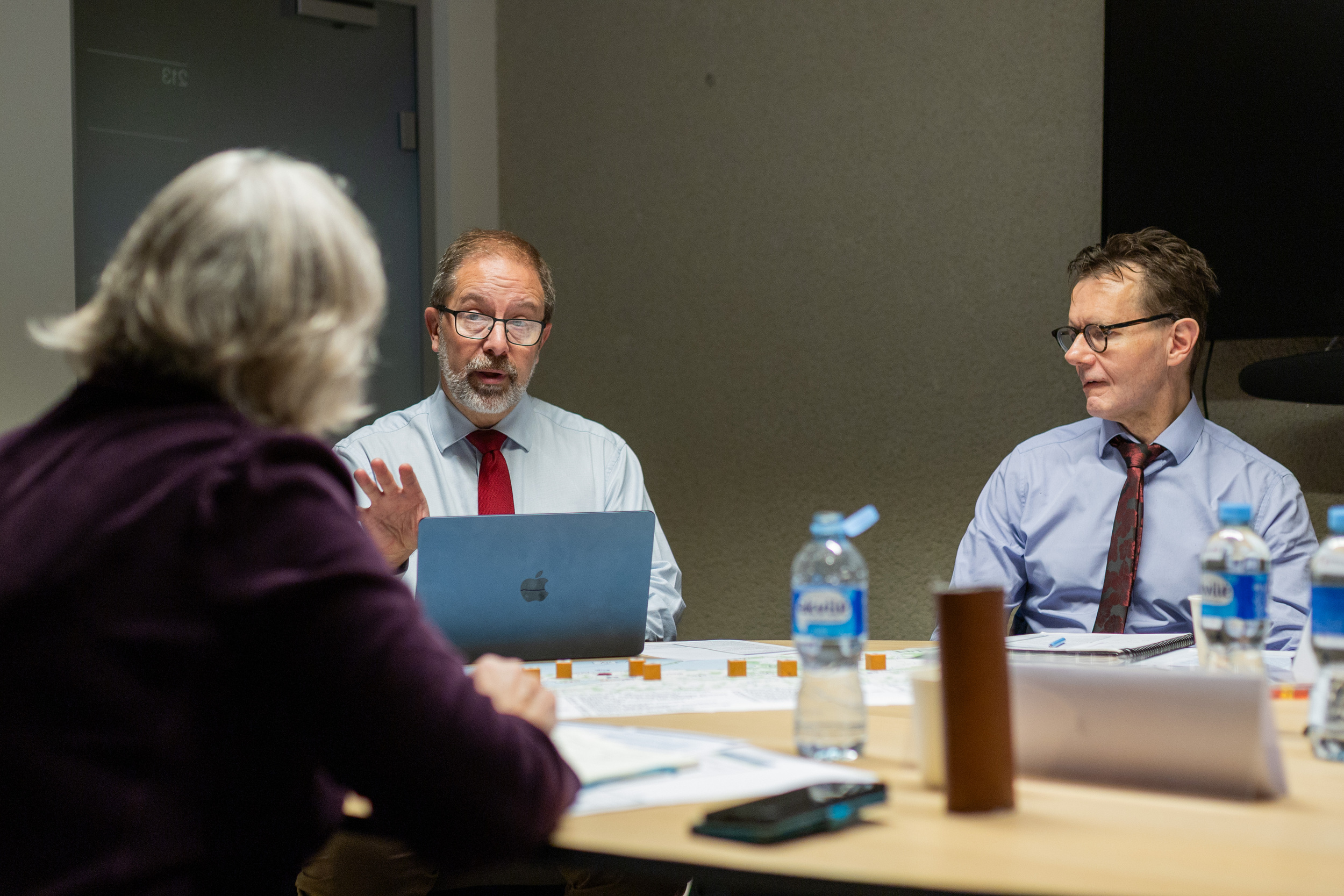
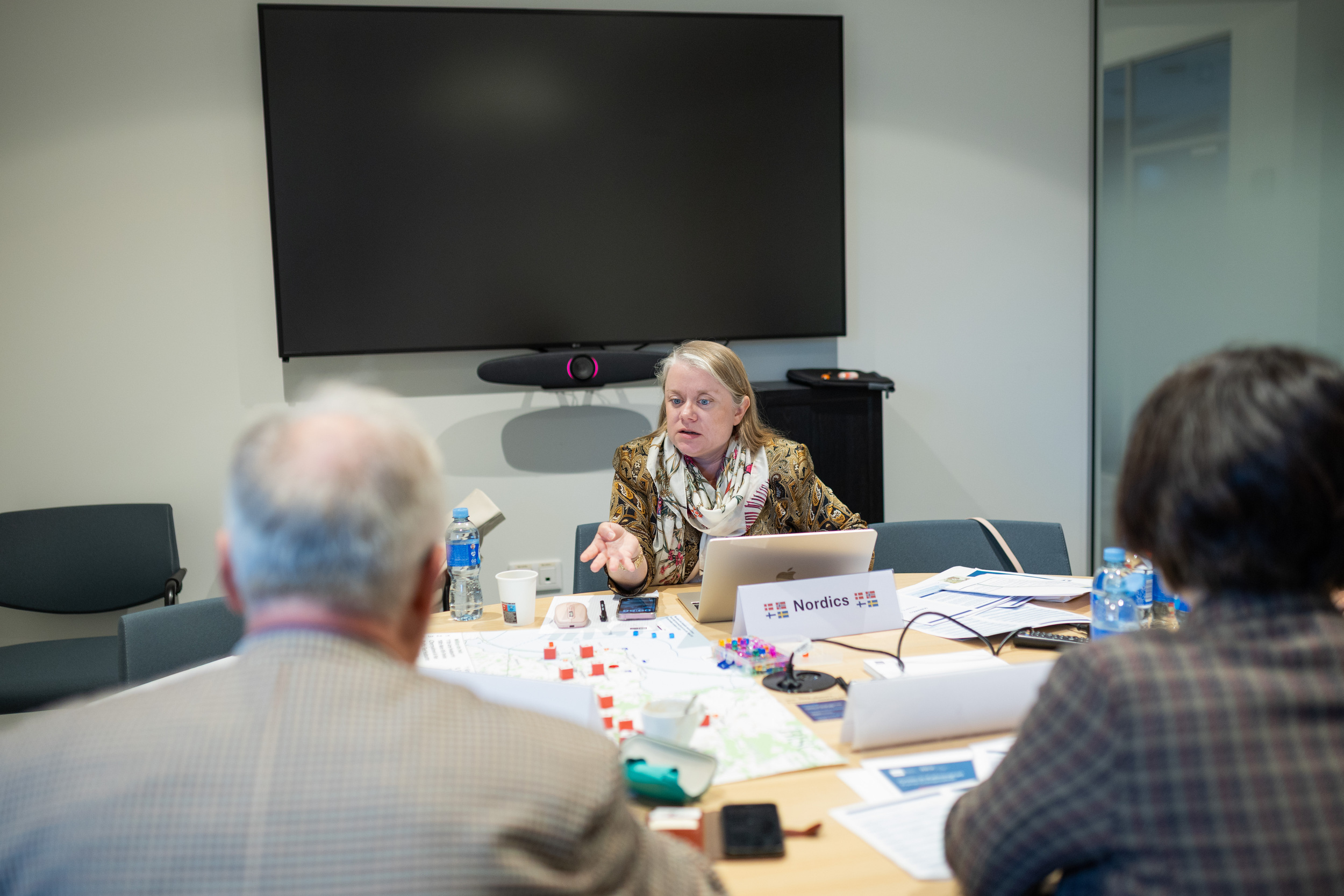
The exercise than ran on October in Vilnius brought together 20 serving and former officials, security experts and other participants. Across three hypothetical scenarios, Lithuania, Poland and their regional partners shaped the response, while the simulated Russian leadership struggled to reconcile maintaining political control with resolving the crisis.
“Kaliningrad is usually presented as a Russian fortress, with its neighbours cast as potential victims. Our exercise turned that picture around,” said Edward Lucas, BISC founder and director. “Moscow faced problems it could not simply threaten its way out of. Lithuania, Poland and their partners had choices and the ability to act together. Russia remained dangerous, but it was neither all-powerful nor self-sufficient.”
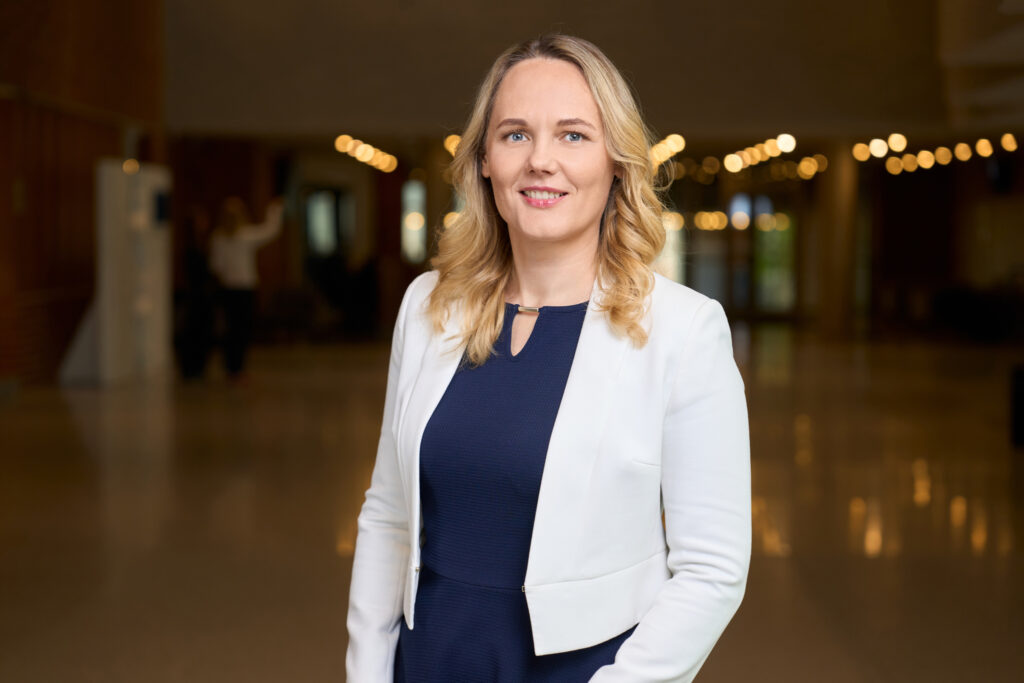
“The purpose was to explore dilemmas and trade-offs, not to predict events,” said Dr Pijus Krūminas, Associate Professor and Head of ISM Wargaming Lab, who designed and ran the exercise.
“Participants had to make decisions with incomplete information, respond to other actors and confront the consequences of their choices. That helps reveal options we might overlook—and difficult decisions we should consider before a real crisis.”
The exercise included Chatham House Russia specialist and Moscow Rules author Keir Giles; Nigel Gould-Davies of the International Institute for Strategic Studies and fellow former British ambassador Rosemary Thomas; former NATO spokesperson and RUSI Distinguished Fellow Oana Lungescu; and Robert Pszczel of Poland’s Centre for Eastern Studies, who previously headed NATO’s Information Office in Moscow. They joined Lithuanian and other international participants, including a senior Ukrainian military figure.
Three crises, three tests of power
Three scenarios in Vilnius explored how instability inside Russia’s exclave could leave the Kremlin dependent on neighbours it threatens
Each day examined a separate scenario. All shared a hypothetical starting premise: continued Ukrainian resistance to Kremlin’s invasion and further strikes on Russian fuel infrastructure, including Ust-Luga, created shortages in Kaliningrad. These affected civilians and the exclave’s largely conscript-staffed military units, fuelling dissatisfaction.
Shortages, social unrest and resistance to deployment
In the first scenario, shortages developed into a socio-economic crisis. Civilians attempted to cross into Lithuania and Poland, while troops unwilling to be sent to Ukraine mutinied and sought support from other units.
The simulated Russian authorities initially considered concessions. Negotiations broke down, however, and the unrest was quickly suppressed. Attempts to pressure Lithuania and Poland into facilitating supply routes from Belarus also failed.
The regional allies concentrated on border management and coordinating their response. Russia retained control of the exclave, but with a substantially more resentful population and sharper attention from NATO and EU decision-makers. Suppressing the unrest did not resolve the grievances behind it.
A hardline rebellion puts Moscow on the defensive
The second scenario involved a larger mutiny led by hardliners demanding stronger Kremlin action against Ukraine and the West. The mutineers seized key infrastructure and took the governor hostage, seeking to create chaos and confusion.
Moscow was forced onto the defensive as it sought to regain control. Its need for Western assistance prompted a change in the Kremlin’s tone towards countries it otherwise treated as adversaries.
The mutineers ultimately attempted to break through towards Belarus through Kybartai, initially under disguise using civilian buses and a humanitarian pretext. However, both the deception and then the more direct attempt failed. Poland and Lithuania used existing border security measures and put their own and international troops on high alert (including the German brigade in Lithuania).
The outcome highlighted the ability of local decision-makers to shape events, rather than treating Kaliningrad solely as an East–West flashpoint whose future would be decided in distant capitals.
An industrial disaster crosses the border
The third scenario tested responses to a fire at a battery manufacturing plant near the Lithuanian border. Toxic smoke and environmental damage spread beyond Kaliningrad, turning an emergency inside Russia into a crisis for its neighbours.
Soldiers resisted tackling the fire without adequate training and equipment. Commanders signalled loyalty to the authorities, but were unwilling to send their men to die from toxic fumes.
As the catastrophe worsened, the Kremlin first blamed NATO neighbours for purported sabotage, then found that it needed their support in dealing with the contamination and its cause, including the provision of firefighting and rescue teams. When protests emerged in mainland Russia, Moscow tightened political control rather than address the environmental crisis and its causes: a sign of how a crisis can increase civil-military tensions.
The exercise exposed a contradiction: hostility towards neighbouring countries did not remove Russia’s practical dependence on them.
Decisions under pressure
Participants assumed the roles of regional governments, Russian and Belarusian authorities, military mutineers and other decision-makers. These were roles within an exercise, not official national positions.
An expert adjudication team assessed proposed actions and their consequences. Regular updates introduced new developments, including simulated social media interventions by the US president and international news coverage of the events, requiring participants to adapt their decisions and public messaging, as well as to reach out to major international players.
The choices extended beyond military action to diplomacy, border management, economic measures and communication. In one simulated exchange, Lithuanian outreach to pro-Ukrainian American political influencers helped counter Kremlin pressure. Each day ended with a discussion of key decisions, consequences and lessons.
Three findings emerged. First, Lithuania, Poland and other regional actors exercised initiative, although differing interests still required negotiation and coordination. Second, the simulated Kremlin repeatedly prioritised political control over addressing the underlying crisis. Third, limited options did not make Russia harmless: a leadership under pressure could create further risks.
Note to editors: The exercise relied on unclassified information and expert assumptions about conditions in Kaliningrad. Its outcomes were shaped by the scenarios, participants’ choices and adjudicators’ assessments. They do not establish the probability of a real-world crisis or predict how governments would actually respond.